How States Have Responded to Telemarketing Calls or Texts
Consumers are often tired of unwanted telemarketing calls and texts, and if you’re in the business of pay-per-call marketing, you’ve likely heard about the TCPA law. While this federal law is quite broad, some states have their own version, often called the “Mini TCPA.” Keep reading to learn what a Mini TCPA law is and examine how different states have implemented these regulations to combat the annoyance of telemarketing calls and texts.
What Is a Mini TCPA Law?
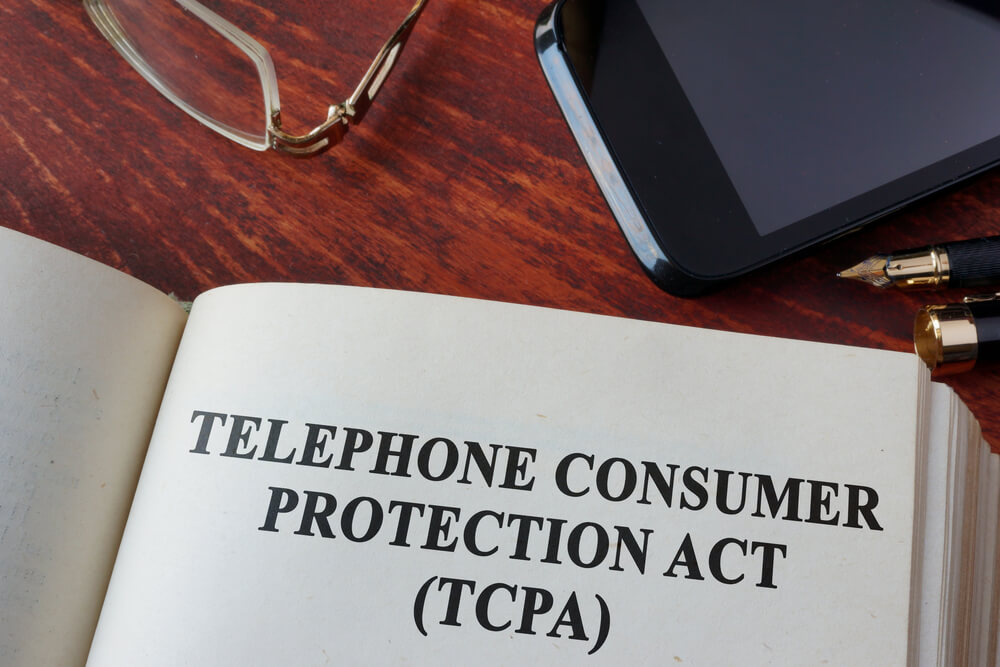
The U.S. passed the Telephone Consumer Protection Act (TCPA) in 1991 to protect consumers from unwanted telemarketing calls. The law prohibits automatic dialing systems, prerecorded voice messages, and unsolicited faxes for commercial purposes. Violators of the TCPA can face significant fines.
A Mini TCPA law is a state-level version of the federal TCPA. These state laws often mirror the federal regulations but can also include additional provisions or stricter requirements. The goal remains to give consumers more control over who can contact them and for what purpose.
What States Have Mini TCPA Laws?
Many states in the U.S. have enacted their own Mini TCPA laws to complement the federal TCPA, including:
- California: California is known for having strict consumer protection laws, and its Mini TCPA law is no exception. It adds extra layers of regulation to telemarketing practices in the state.
- Florida: Florida’s Mini TCPA law closely resembles the federal TCPA, focusing on prohibiting unsolicited calls and texts.
- Texas: Texas has its version of the TCPA that governs telemarketing activities within the state.
- New York: New York’s Mini TCPA law also builds on federal regulations to curb unwanted telemarketing communications.
- Illinois: Illinois takes a strong stance against telemarketing practices that infringe on consumers’ privacy rights, with its Mini TCPA providing added protection.
- Pennsylvania: Pennsylvania’s Mini TCPA is designed to give residents more control over their phones and inboxes.
It’s important to know that the landscape of state laws can change and vary from state to state. This variance means verifying your state’s current regulations and consulting with experts like BrokerCalls on the most up-to-date information is essential.

How States Have Responded to Telemarketing Calls or Texts Using TCPA Laws
Each state’s Mini TCPA law has been crafted to address the specific concerns of its residents. While these laws share commonalities with the federal TCPA, they often include provisions such as:
- Do Not Call Lists: Many states have established their own Do Not Call lists, allowing residents to opt out of telemarketing calls. Businesses are required to maintain and honor these lists.
- Consent Requirements: States may have stricter rules regarding obtaining consent for telemarketing communications, including written permission in some cases.
- Enforcement: State attorneys general can take legal action against violators of Mini TCPA laws, leading to fines and penalties.
- Statutory Damages: Some states allow consumers to sue telemarketers for statutory damages, which can result in significant payouts for violations.
- Private Right of Action: Residents in certain states can sue telemarketers for TCPA violations, adding an extra layer of consumer protection.
How BrokerCalls Can Help Businesses Navigate the TCPA Law
Navigating the complex landscape of TCPA laws, federal and state, can be challenging for businesses. This process is where BrokerCalls comes in. BrokerCalls is a leading compliance and lead generation platform designed to help companies stay on the right side of the law while conducting telemarketing campaigns.
BrokerCalls offers the following services to assist businesses in complying with TCPA regulations:
- Compliance Solutions: BrokerCalls provides comprehensive compliance solutions, including access to up-to-date Do Not Call lists, compliance audits, and monitoring to ensure businesses follow TCPA rules.
- Opt-In Lead Generation: The platform assists businesses in generating leads from consumers who have expressly opted in to receive communications, ensuring that companies have the necessary consent.
- Risk Mitigation: By working with BrokerCalls, businesses can minimize their exposure to TCPA-related risks, including fines and lawsuits.
- Expertise: BrokerCalls has a team of experts who stay informed about changes in TCPA regulations, helping businesses adapt to evolving laws.
Understanding Mini TCPA laws and how they complement the federal TCPA is crucial for consumers and businesses remains vital. While these state-level regulations aim to protect consumers from unwanted telemarketing communications, companies can benefit from compliance solutions like BrokerCalls to navigate this complex legal landscape successfully. Remember that staying informed and up-to-date on TCPA laws is essential to avoid costly penalties and maintain a positive reputation in the market.
Call BrokerCalls at 866-830-2931 or visit us on Twitter, Facebook, LinkedIn, or Instagram to learn more about how to navigate TCPA law when generating leads.